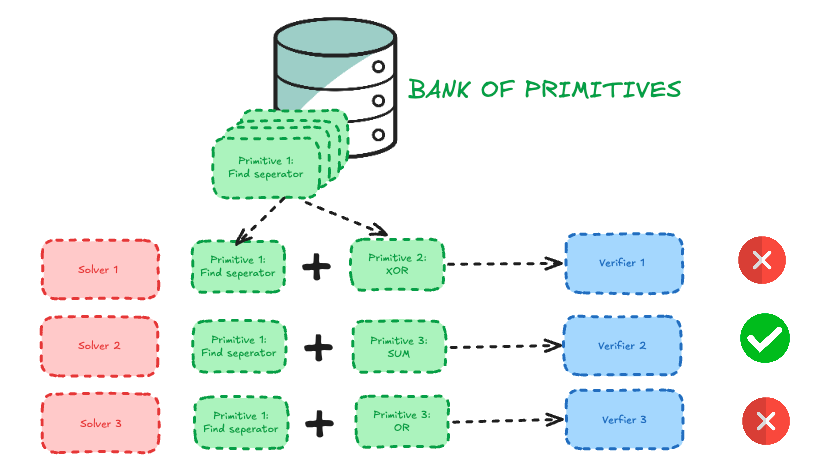
Built an agent that uses a swarm of solvers to tackle ARC-AGI problems, with a design backed by a small bank of reusable Domain-Specific Language (DSL) primitives.
DeepRacer: Optimization and Adaptation for Autonomous Racing via Deep Reinforcement Learning
Side project · December 2025
Developed a Proximal Policy Optimization (PPO) approach for solving autonomous racing tasks in the AWS DeepRacer simulation environment. The approach employs a convolutional neural network architecture designed to process multi-modal sensor inputs, including stereo camera images and LIDAR distance measurements.
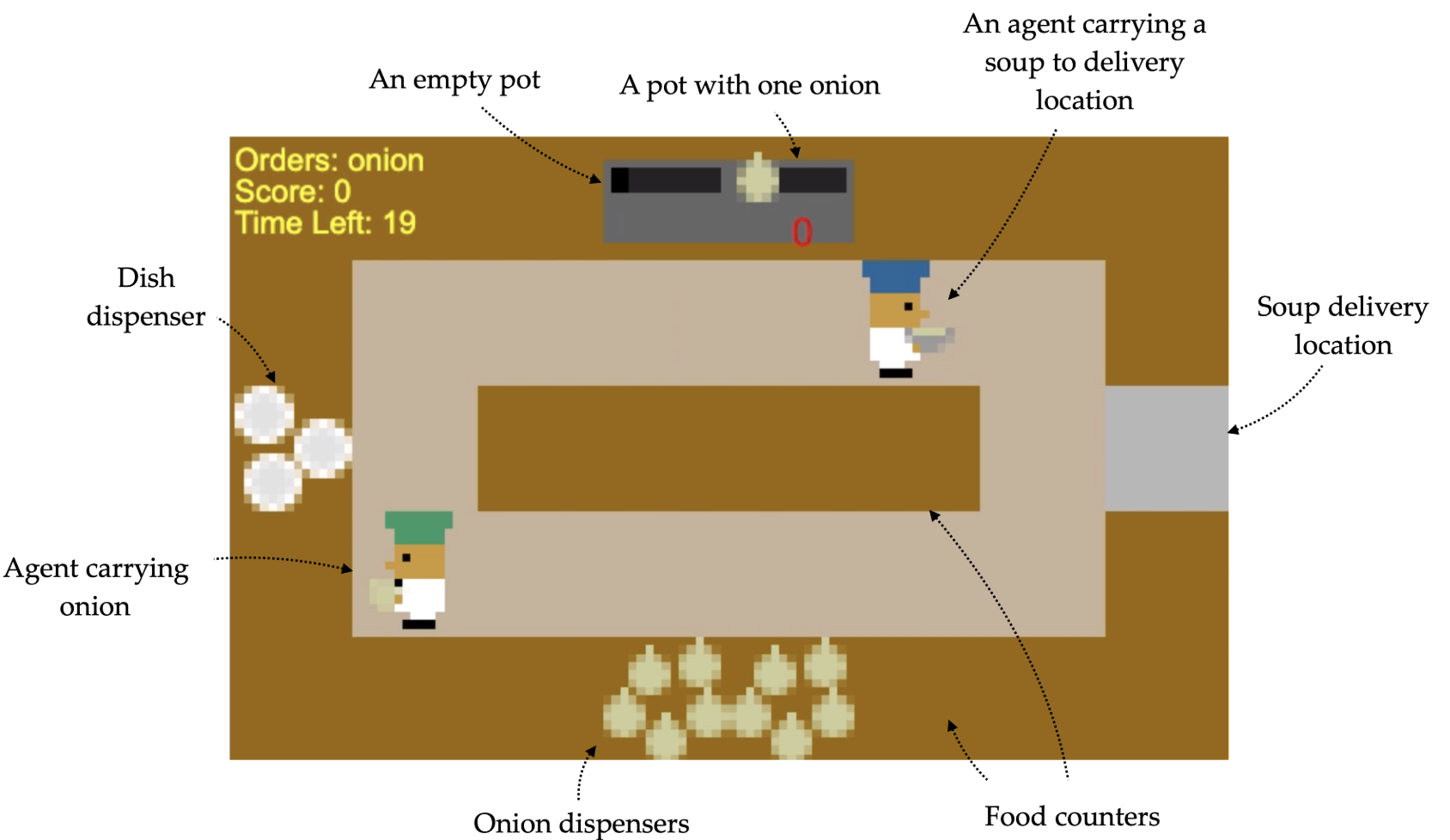
Multi-Agent Proximal Policy Optimization for Cooperative Cooking
Side project · November 2025
Implemented and trained a Multi-Agent Proximal Policy Optimization (MAPPO) approach for cooperative cooking tasks in the Overcooked simulation environment, using centralized training with decentralized execution — agents learn independently while sharing the same environment.
Reinforcement Learning for Rocket Trajectory Optimization
Side project · October 2025
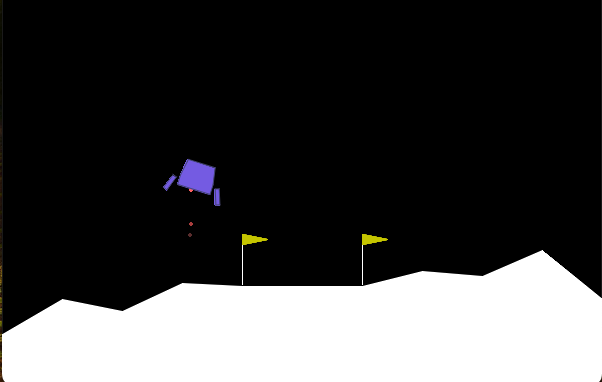
Studied the REINFORCE policy-gradient algorithm on the Lunar Lander environment to better understand policy-gradient methods for continuous control. Implemented REINFORCE with continuous actions in PyTorch and tuned its hyperparameters to see which ones matter most for performance.
Reinforcement Learning for Traffic Management
Side project · September 2025
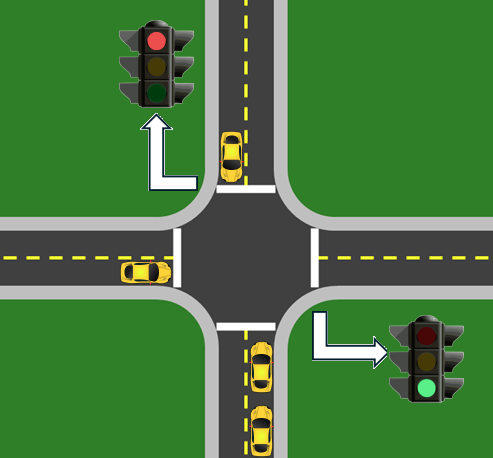
Implemented and trained several reinforcement learning algorithms (Value Iteration, Policy Iteration, SARSA, and Q-learning) and compared their performance on a traffic-management control task with the objective of minimizing car congestion.
Learning to play Pong with Deep Reinforcement Learning
EPFL · CS456: Artificial neural networks · June 2020
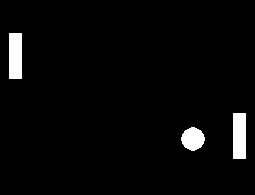
Apply Policy Gradient approaches to teach an agent to play the game Pong from the PyGame Learning Environment.
Implementing modern deep learning models can hardly be done without a proper framework to
minimize code duplication and maximise ease of use as well as good structure. In this project, we implemented
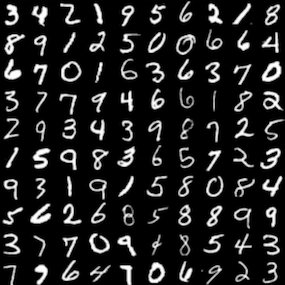
our own mini-framework and compared our performance with pyTorch’s NN library, from which it was inspired.
We study the problem of building an efficient recommender system. We are only given access to a subset of users and
their ratings, and we aim to recommend new movies by predicting the missing ratings. To this end, we considered a collaborative-based filtering
approach along with ensemble methods.
We explore and compare different supervised learning algorithms and how they deal
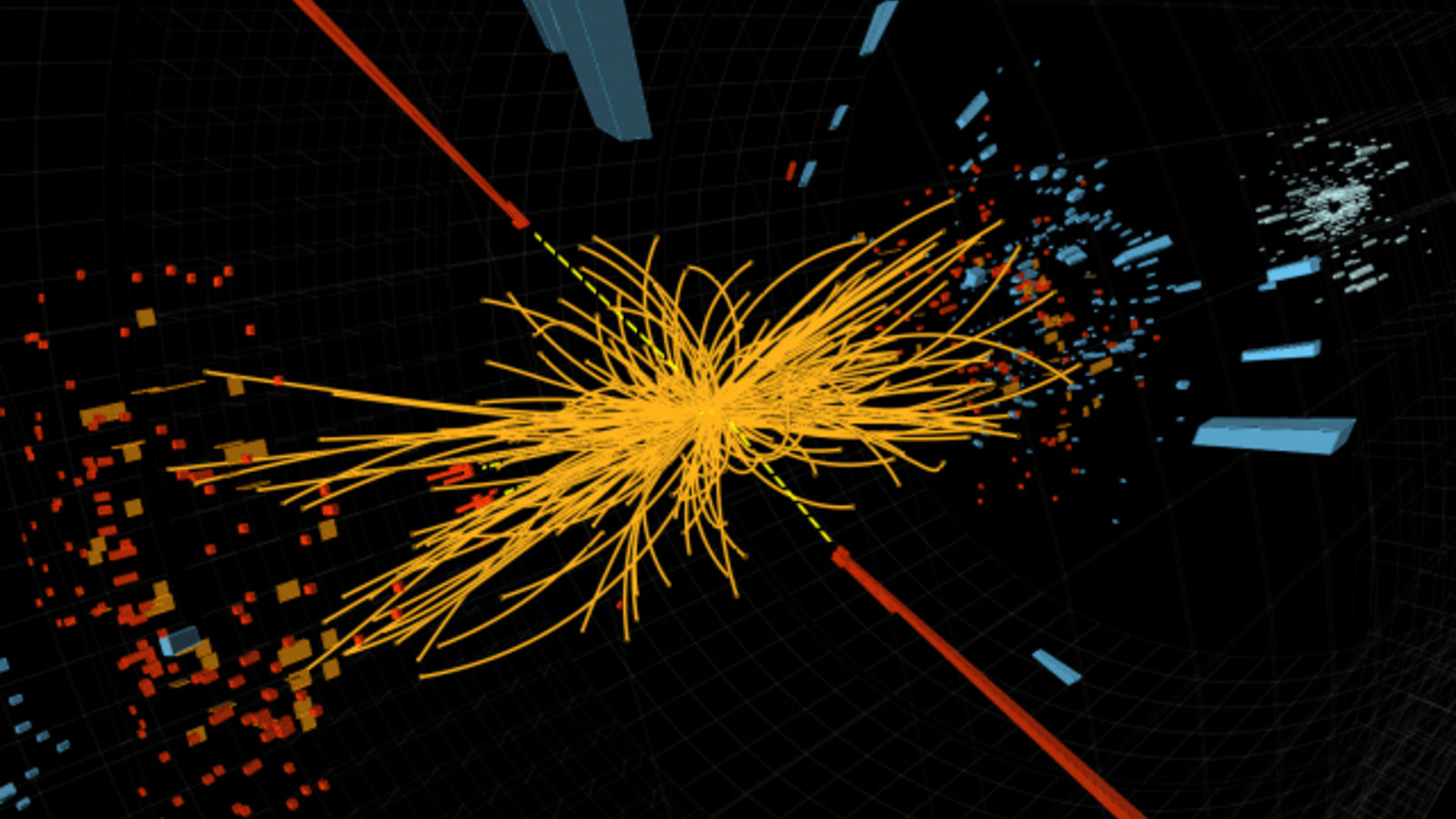
with a data-set from CERN in the field of physics to predict the presence of the Higgs Boson.